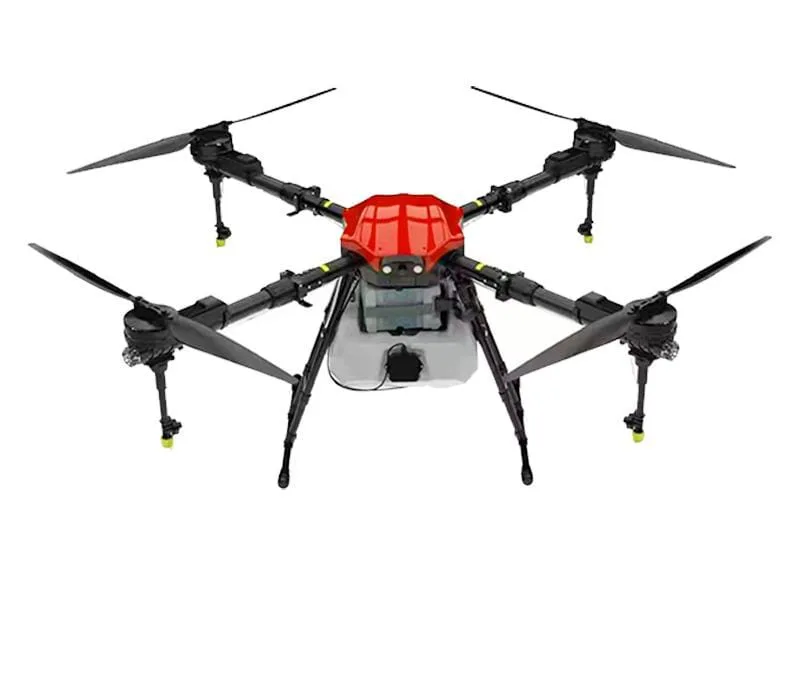
Quick answer
The best agriculture drone in India is the one that fits your crops, field size, terrain and budget — and comes with a valid DGCA type certificate, enough battery sets, reliable local service and spare parts, pilot training and clear warranty terms. Shortlist two or three certified models, see a live field demo and compare full-package quotes.
Key takeaways
- Certification and after-sales support matter more than headline specifications.
- Match tank class to field size: smaller for scattered plots, larger for big blocks.
- Always watch a demo in a field similar to yours before buying.
- Talk to existing owners in your area about service and breakdowns.
Why there is no single “best” drone
Agriculture drones are tools for a job. A light 10 litre drone that is easy to carry between small, scattered plots may be perfect for one buyer and frustrating for another who needs to cover hundreds of acres of sugarcane in a short window. The best choice depends on the work you will do, where you will do it and who will maintain the drone.
Instead of chasing a ranking, define your needs first: which crops, how many acres a season, what terrain, who will fly, and how far the nearest service centre is. Then judge every model against those needs.
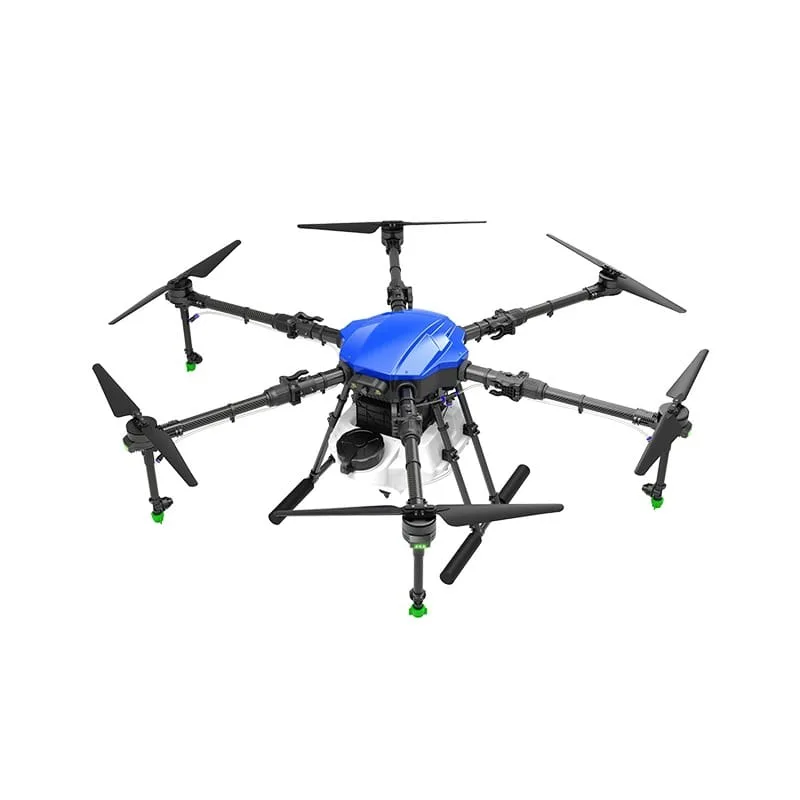
10-point checklist for choosing an agriculture drone
Legal and safety
- 1. Valid DGCA type certificate (opens in a new window) for the exact model
- 2. Support for UIN registration on Digital Sky
- 3. Safety features: return-to-home, obstacle sensing, geofencing
Performance in your fields
- 4. Tank class suited to your field size and terrain
- 5. Spray system — nozzle type, flow control and droplet settings
- 6. Terrain following for slopes and uneven canopies
- 7. Battery sets and charging set-up for continuous work
Support and ownership
- 8. Service centre and spare parts within reach
- 9. Pilot training and onboarding included
- 10. Written warranty covering frame, motors, electronics and batteries
Match the drone to your work
| Your situation | What to look for |
|---|---|
| Small, scattered plots | Lighter, compact drone that is easy to transport |
| Medium farms or a starting service business | Balanced mid-size tank with several battery sets |
| Large continuous fields, sugarcane, FPO work | Larger tank, strong charging set-up, generator |
| Hilly or terraced fields | Reliable terrain following and good obstacle sensing |
| Orchards and vineyards | Precise route planning and good canopy penetration |
Always see a live demo
Brochures and videos show ideal conditions. A live demo in a field similar to yours shows the real picture: how long set-up takes, how the drone handles wind and obstacles, how easy the app is for your pilot and how even the spray looks on the crop.
During the demo, ask to see a battery swap and refill, check the spray pattern on water-sensitive paper if available, and ask the operator about common faults and how they are fixed.
Talk to existing owners
The best information often comes from drone owners in your district. Ask how quickly repairs were done during the season, whether spare parts were available, how long batteries lasted and whether they would buy the same model again. A drone with an excellent specification sheet but poor local service can cost you a whole season.
Total cost over three seasons, not just the price tag
A useful way to compare drones is to estimate what each will cost you over three seasons. Add the purchase price, the extra battery sets you will need, expected battery replacements, routine spare parts, insurance, the pilot's cost and transport. Then estimate the acres each drone can realistically cover in your conditions.
Dividing total cost by total acres gives a rough cost per acre for each option. The drone with the lowest purchase price is often not the one with the lowest cost per acre once downtime, batteries and repairs are counted.
Frequently asked questions
Which is the best agriculture drone in India?
There is no single best model for everyone. The best drone matches your crops, field size and terrain, is DGCA type-certified and has reliable service and spare parts near you.
Do you recommend any brand?
We do not rank brands on the website. Tell us your needs and we will explain which options suit you and why.
Is it fine to buy a cheap drone?
A low price is fine only if the drone is certified and has spares, service and battery support. An uncertified or unsupported drone can become unusable mid-season.
How can I get a demo?
Call or WhatsApp 8282802150 with your crop, location and area, and we will tell you about demo options.
What should I check in a drone warranty?
What is covered (frame, motors, electronics, batteries), for how long, what is excluded (crash damage, misuse), and how fast claims are handled during the season.
Is it fine to buy a second-hand drone?
Be cautious. Check registration transfer, battery health, crash history, firmware and whether the manufacturer still supports the model.
What specifications matter most?
Certification, spray system quality, terrain following, battery set-up and service support matter more than the maximum tank size or top speed.
How long does an agriculture drone last?
With proper care, the frame can last several seasons, while propellers, nozzles, pumps and batteries are replaced as they wear. Lifespan depends heavily on maintenance and handling.
About this guide
- Written by
- Kisan Drone team, Noida. We work with farmers, FPOs and drone operators on spraying, buying and training questions.
- Reviewed by
- Mohit Singh, Drone Operator — 10 years of drone-spraying experience
- Last updated
How we write
We do not publish invented prices, subsidy amounts, yields or reviews. Rules and schemes are checked against official sources, and anything that depends on your crop, product or location is marked as such. Found an error? Email enquiry@kisandrone.co.in.