Quick answer
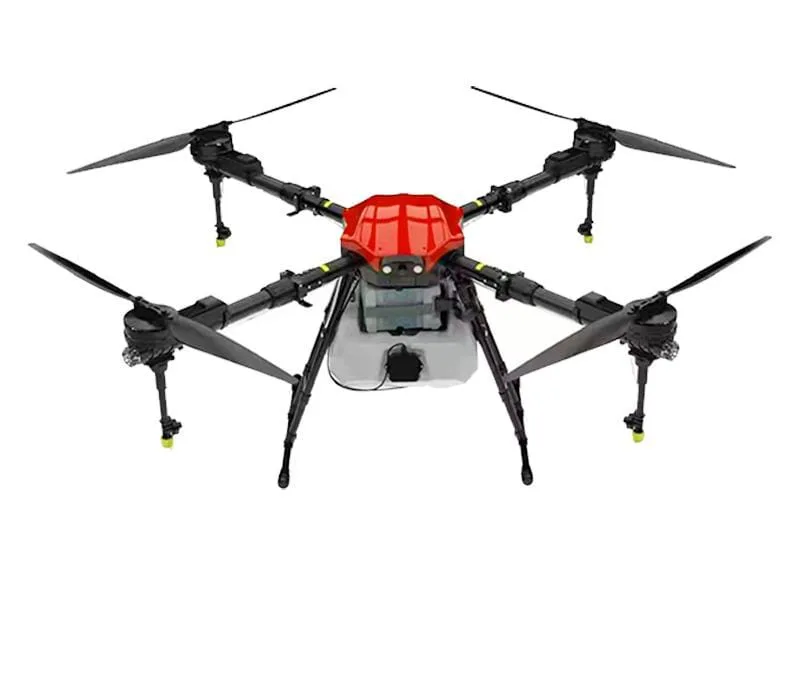
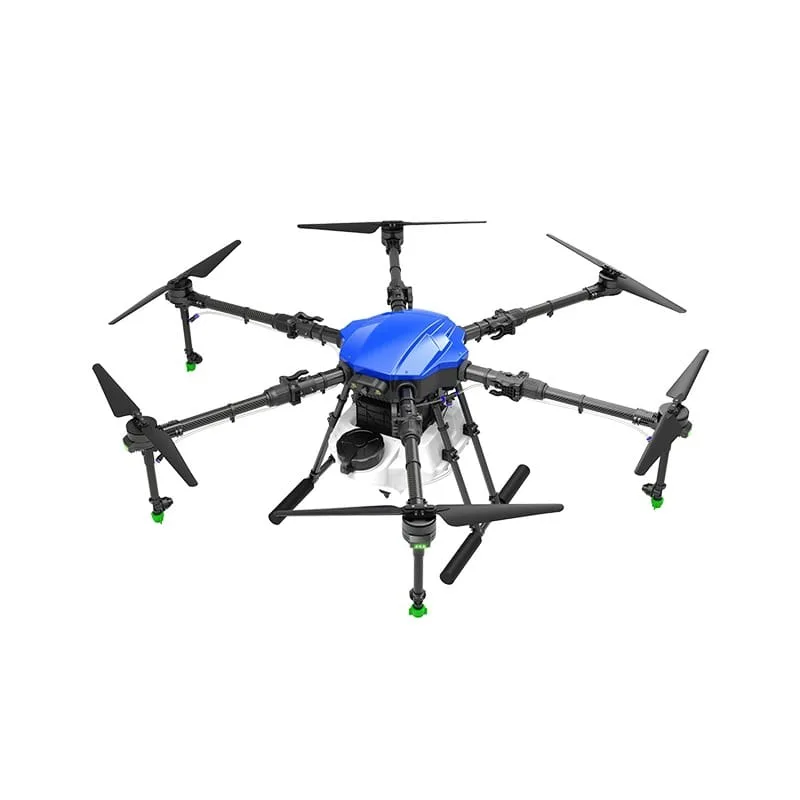
Agriculture drone training usually combines the DGCA Remote Pilot Certificate course at an authorised RPTO with agriculture-specific modules: spray mission planning, nozzle and droplet settings, pesticide safety and the drone spraying SOP, mixing and calibration, battery care and maintenance. Candidates generally need to be at least 18 and to have passed class 10, as per the Drone Rules.
Key takeaways
- The legal requirement is a Remote Pilot Certificate from a DGCA-authorised RPTO.
- Agri-specific skills — spraying, calibration, safety — make a pilot job-ready.
- Lots of hands-on flying with a real spraying drone is essential.
- Check the RPTO's authorisation on DGCA's Digital Sky before paying.
What is usually taught
Rules and theory
- Drone Rules, airspace zones and Digital Sky (opens in a new window)
- Basic aerodynamics, weather and flight planning
- Drone categories, registration and safety procedures
Flying skills
- Simulator practice
- Manual and automatic flight on a training drone
- Emergency procedures and safe landing
Agriculture modules
- Field survey and spray mission planning
- Nozzles, droplet size, swath and flow calibration
- Pesticide safety, PPE and the drone spraying SOP
- Mixing, tank cleaning and record keeping
- Battery care, maintenance and troubleshooting
Who it is for
- Farmers and farm youth who want to spray their own or others' fields
- Agri-graduates and rural entrepreneurs starting drone services
- FPO, cooperative and CHC staff operating drones
- Members of women's SHGs selected for drone initiatives
- Agri-input company staff and extension workers
Eligibility (general)
Under the Drone Rules, a remote pilot generally needs to be at least 18 years old and to have passed class 10 or equivalent, and must complete training at a DGCA-authorised RPTO and pass the required test. Medical or other requirements, if any, follow the current rules. Check with the RPTO before enrolling.
How to choose a good course
| Check | Why it matters |
|---|---|
| DGCA authorisation (Digital Sky RPTO list) | Only authorised RPTOs can lead to a valid RPC |
| Agriculture spraying module | Job-ready skills beyond basic flying |
| Flying hours per student | Hands-on practice builds confidence |
| Trainer experience in spraying | Practical tips from real field work |
| Batch size | Smaller batches mean more flying time |
| Support after training | Help with jobs, drone purchase or service set-up |
Details of our training
[Fill only when verified: RPTO authorisation or partner institute, duration, batch size, location, fees.] Duration: [Add the duration.] Call us to know the next batch and requirements.
After training: building real experience
A certificate is the starting point. New pilots gain confidence by working with an experienced operator for a season, starting with simple open fields and gradually moving to complex terrain and crops. Keep a log of flights and jobs; it becomes proof of experience for employers and customers.
A typical training journey
Most trainees begin with classroom sessions on rules, airspace and safety, then move to simulator practice to build stick skills without risk. Supervised flying follows on a training drone, starting with basic manoeuvres and progressing to automatic missions. Agriculture modules then add real spraying practice with water: mapping a field, setting flow and swath, mixing, refilling and cleaning.
Good courses end with a practical assessment in a field-like setting, so trainees leave knowing how a real spraying day works — not just how to pass a test.
What to bring and prepare
- Identity proof and class 10 certificate
- Passport-size photographs and Digital Sky registration details if required
- Comfortable clothing for outdoor flying sessions
- A notebook for checklists and settings
Training for FPOs and groups
FPOs, cooperatives and companies can arrange group training for staff or members. Group batches make it easier to build a local team — a couple of certified pilots plus helpers trained in mixing, battery management and maintenance. Ask training providers about group schedules and whether practical sessions can be held on crops similar to yours.
Frequently asked questions
What is taught in agriculture drone training?
Drone rules, flying skills and agriculture modules such as spray planning, calibration, pesticide safety, mixing and maintenance.
Who can join agriculture drone training?
Generally anyone aged 18 or above who has passed class 10, subject to current rules and the RPTO's requirements.
Is a Remote Pilot Certificate required for agriculture drones?
Yes, for commercial operation of agriculture spraying drones, the pilot needs an RPC from a DGCA-authorised RPTO.
How long does agriculture drone training take?
It varies by RPTO and course. Ask the institute for the duration of both the RPC course and any agriculture module.
Can farmers do drone training?
Yes. Many farmers and farm youth train to spray their own fields or start services for others.
How do I check if an RPTO is authorised?
Check the list of authorised RPTOs on DGCA's Digital Sky platform.
How do I ask about your training?
Call or WhatsApp 8282802150 for batch details and requirements.
Is there practical spraying in the training?
Good agriculture courses include practical spraying with water on a real spraying drone. Ask the institute how many hands-on flying hours each trainee gets.
Do I need to own a drone to take training?
No. The training organisation provides drones for practice. You only need a drone later if you plan to operate on your own.
Will training help me find a job?
Certification plus practical spraying skills makes you employable with service providers, FPOs and agri-businesses. Ask the institute whether it offers placement support or industry contacts.
About this guide
- Written by
- Kisan Drone team, Noida. We work with farmers, FPOs and drone operators on spraying, buying and training questions.
- Reviewed by
- Mohit Singh, Drone Operator — 10 years of drone-spraying experience
- Last updated
How we write
We do not publish invented prices, subsidy amounts, yields or reviews. Rules and schemes are checked against official sources, and anything that depends on your crop, product or location is marked as such. Found an error? Email enquiry@kisandrone.co.in.