Quick answer
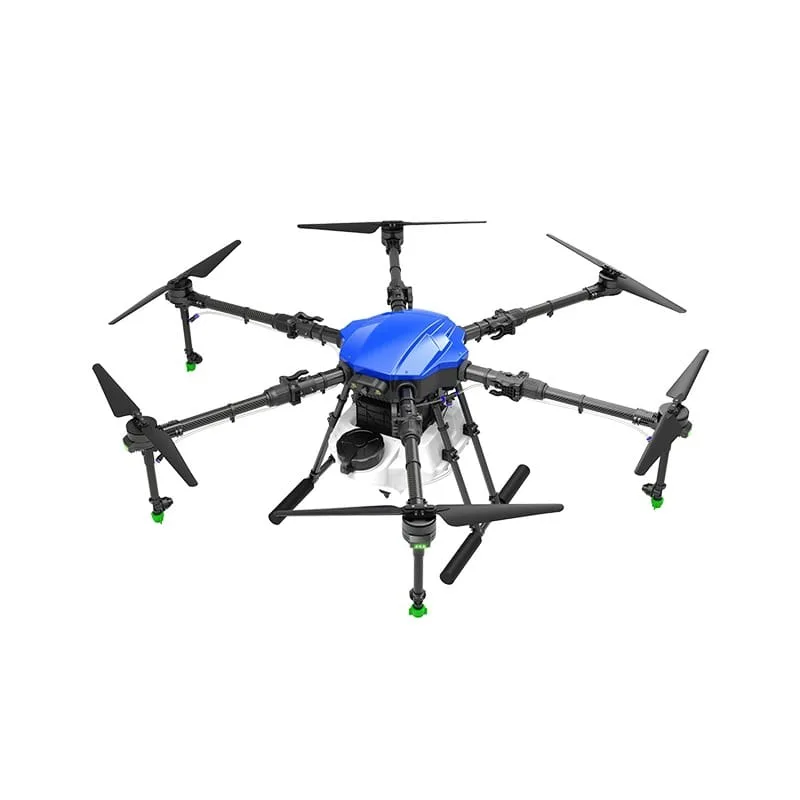
The agriculture drone spare parts that wear out most often are propellers, nozzles and filters, pump parts, spray hoses, landing gear, arm clamps and batteries. Keep a field spares kit with these items, follow a pre-season maintenance checklist and buy original or manufacturer-approved parts from a reliable supplier.
Key takeaways
- Propellers, nozzles and filters are routine consumables.
- A field spares kit prevents lost days in peak season.
- Clean the spray system after every job to protect the pump.
- Use original or approved parts to keep warranty and safety.
Parts that commonly need replacing
| Part | Why it wears | Prevention |
|---|---|---|
| Propellers | Chips, cracks from debris or minor impacts | Inspect before every flight |
| Nozzles and filters | Clogging and abrasion from chemicals | Filter water; flush after use |
| Pump | Residue build-up, dry running | Clean system; never run dry |
| Hoses and fittings | Chemical wear, cracks | Inspect for leaks |
| Landing gear and arm clamps | Hard landings, vibration | Check tightness and cracks |
| Batteries | Charge cycles, heat | Proper charging and storage |
Field spares kit
Preparing before the season
Inspection
- Check frame, arms and motors for cracks and play
- Test every motor and the spray system
- Check battery health and cycle counts
Updates and calibration
- Update firmware and the app as advised by the manufacturer
- Calibrate sensors, compass and flow meter
- Do a test flight with water before the first job
Stock
- Order consumables early — demand peaks at the same time for everyone
- Confirm your supplier's delivery times
Original vs compatible parts
Original or manufacturer-approved parts are designed for your drone's weight, motors and spray system. Cheap compatible parts may not match exactly, can affect flight stability and may void the warranty. For safety-critical parts like propellers, motors and batteries, stick to approved parts.
Daily care to reduce wear
After every job, flush the tank, pump and nozzles with clean water, wipe chemical residue off the frame and arms, and check propellers and fasteners. Store the drone in a clean, dry place out of direct sun. Ten minutes of care each day prevents most mid-season breakdowns.
Off-season storage checklist
- Clean the drone thoroughly and flush the spray system
- Dry all parts and store in a dust-free, dry place
- Store batteries at storage charge in a fire-safe location
- Remove and inspect propellers; replace damaged ones
- Note any faults to repair before the next season
- Keep the drone covered and away from rodents
Keeping a maintenance log
A simple logbook — paper or phone — that records flights, repairs and part replacements helps you predict when parts will wear out. It also supports warranty claims and increases resale value. Note the date, hours or acres flown, the issue and what was replaced.
Over time, the log shows patterns, such as nozzles wearing out after a certain number of acres, so you can order spares before they fail.
Spare parts budget
Set aside a yearly budget for consumable spare parts, just as a tractor owner budgets for tyres and filters. Propellers, nozzles, filters and pump parts are small costs compared to the loss of a working day in peak season. Buying these parts in a planned way before the season also avoids shortages when demand peaks.
When to call a technician
Do not keep flying with these issues. A technician check prevents small faults from turning into a crash.
- Unusual vibration or noise from a motor
- Repeated sensor or compass errors after calibration
- Flow meter or pump faults that cleaning does not fix
- Any damage after a crash or hard landing
Repairs and type certification
Major repairs — motors, flight controller, frame or spray system — should keep the drone in line with its type certificate (opens in a new window). Use the authorised service centre for such work and keep repair records with the drone's registration documents.
Frequently asked questions
Which drone parts need replacing most often?
Propellers, nozzles, filters, pump parts and hoses are the most common consumables. Batteries also wear out over charge cycles.
Where can I get agriculture drone spare parts?
From the manufacturer, its authorised dealer or service centre. Call 8282802150 to ask about parts for your model.
Should I keep spare parts with me in the field?
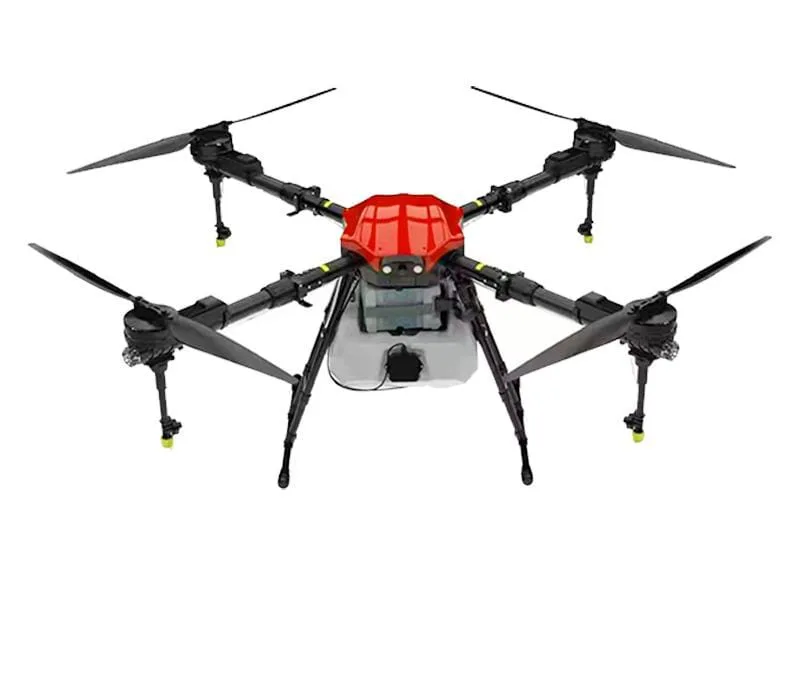
Yes. A basic kit with propellers, nozzles, filters and pump parts can prevent lost days.
Are compatible parts safe to use?
Only if approved by the manufacturer. Unapproved parts can affect safety and warranty.
How often should I service my drone?
Check it before every flight, clean it after every job and follow the manufacturer's service schedule.
What should I check before the season starts?
Frame, motors, spray system, batteries, firmware, calibration and your stock of consumable parts.
How do I know which spare part fits my drone?
Use the model name and serial number when ordering, and buy from the manufacturer or authorised dealer to make sure parts match.
Are spare parts covered under warranty?
Manufacturing defects may be covered, but wear parts like propellers and nozzles and crash damage are usually excluded. Check the warranty terms.
Can I repair my drone myself?
Simple tasks like changing propellers, nozzles and filters can be done by a trained pilot. Motor, electronics and crash repairs should be done by an authorised technician.
About this guide
- Written by
- Kisan Drone team, Noida. We work with farmers, FPOs and drone operators on spraying, buying and training questions.
- Reviewed by
- Mohit Singh, Drone Operator — 10 years of drone-spraying experience
- Last updated
How we write
We do not publish invented prices, subsidy amounts, yields or reviews. Rules and schemes are checked against official sources, and anything that depends on your crop, product or location is marked as such. Found an error? Email enquiry@kisandrone.co.in.