Quick answer
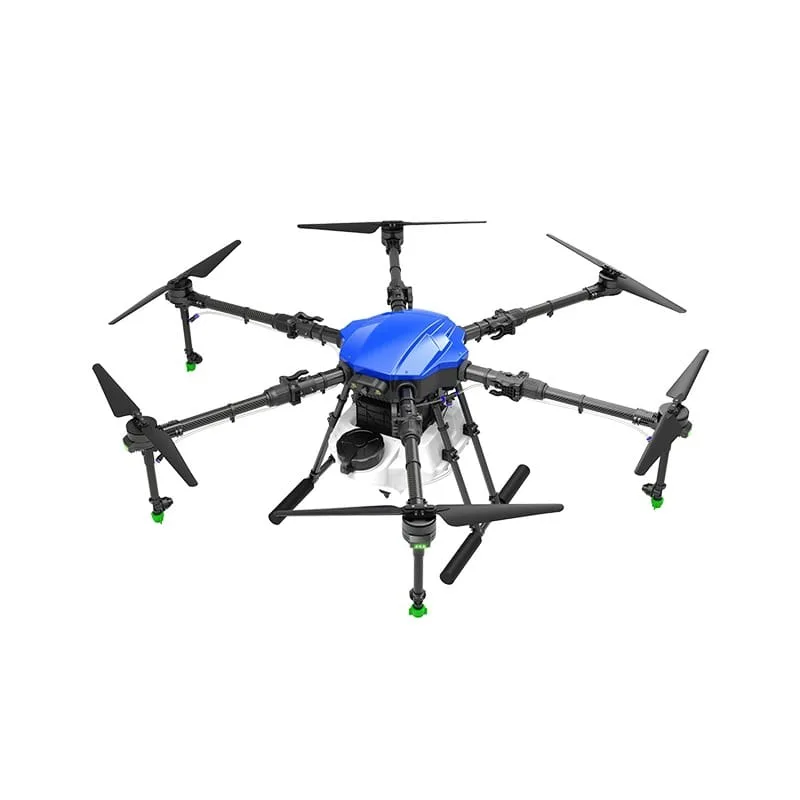
To become an agricultural drone pilot in India: check eligibility (generally 18+ and class 10 pass), choose a DGCA-authorised RPTO, complete training and the test to get your Remote Pilot Certificate, learn agriculture spraying skills, gain supervised field experience, and then join a drone service provider or start your own spraying business with a registered drone.
Key takeaways
- No degree required — class 10 pass is the general minimum.
- The RPC from an authorised RPTO is the legal foundation.
- Spraying skills and field experience make you employable.
- A service business needs demand, a drone, batteries, insurance and a vehicle.
6 steps to becoming an agricultural drone pilot
1. Check eligibility
Generally at least 18 years old and class 10 pass, as per the Drone Rules (opens in a new window).
2. Choose an authorised RPTO
Pick a DGCA-authorised institute with agriculture experience and good flying hours per student.
3. Get your Remote Pilot Certificate
Complete theory, simulator and practical training, pass the test and receive the RPC through Digital Sky.
4. Learn agriculture spraying
Master mission planning, calibration, mixing, pesticide safety and the drone spraying SOP.
5. Gain field experience
Work alongside an experienced operator for a season on different crops and terrain.
6. Get a job or start a service
Join a service company, FPO or agri-business, or start your own spraying service.
Skills that make a great agri drone pilot
- Safe, calm flying and good judgement in changing weather
- Understanding of crops, pests and spray timing
- Accurate mixing and calibration
- Basic maintenance and troubleshooting
- Clear communication with farmers
- Record keeping and planning
Where agricultural drone pilots work
| Employer | Typical work |
|---|---|
| Drone service companies | Spraying across many farms and districts |
| FPOs and cooperatives | Services for member farmers |
| Custom Hiring Centres | Renting drones with operators |
| Agri-input companies | Demonstrations and product application |
| Self-employed | Own spraying business |
Before starting a drone service
- Estimate local demand by crop, season and acreage
- Arrange a registered, type-certified drone and enough battery sets
- Get insurance and keep all documents ready
- Plan a vehicle, generator and water supply
- Set fair, clear rates and a booking system
- Explore scheme support if you are eligible
Earning potential — an honest view
Income depends on the season, local demand, how many acres you can book and your costs. Spraying work is seasonal, peaking in kharif and rabi. Pilots who combine spraying with mapping, maintenance or training, and who build a reputation for reliable service, tend to find steadier work. We do not quote salary figures because they vary widely by region and employer.
A first season plan for new pilots
Your first season sets your reputation. Start with open, simple fields close to home, and take on complex crops and terrain gradually. Keep a checklist for every job: field survey, product check, weather check, settings, neighbours informed, spray record.
Ask satisfied farmers to recommend you to others, and collect their feedback. By the end of the season you will have experience, a client list and real numbers to decide your next step — whether that is a full-time job, a second drone or a bigger service area.
Common mistakes new pilots make
- Skipping the field survey and missing wires or poles
- Spraying in rising wind to finish quickly
- Guessing the mix instead of measuring
- Not cleaning the system, causing blocked nozzles the next day
- Poor battery handling that shortens battery life
Frequently asked questions
Can I become a drone pilot after 10th?
Yes. Class 10 pass is the general educational requirement under the Drone Rules, along with being at least 18.
How long does it take to become an agricultural drone pilot?
RPC training takes a few days to weeks depending on the RPTO and course. Becoming truly job-ready usually takes a season of field experience.
What is the salary of an agriculture drone pilot?
It varies by region, employer, season and experience. Ask local service providers and FPOs about current rates.
Do I need my own drone to work as a pilot?
No. Many pilots work for service companies, FPOs or CHCs that own the drones.
Is drone piloting a good career in agriculture?
Demand is growing, but it is seasonal. Combining spraying with other drone work makes it more stable.
What does it cost to start a drone spraying business?
Costs include the drone package, batteries, generator, vehicle, insurance and training. Call 8282802150 for a quote and guidance.
Can women become agricultural drone pilots?
Yes. Women pilots are increasingly active, including through initiatives for women's SHGs.
Do I need to know farming to become an agri drone pilot?
Basic knowledge of crops, pests and spray timing helps a lot. Many good pilots come from farming families, and training covers essential agricultural knowledge.
Is drone piloting physically demanding?
Spraying days start early and involve outdoor work, lifting batteries and water, and moving between fields. Reasonable fitness helps, along with care in hot weather.
Can I do drone piloting alongside farming?
Yes. Many farmers fly drones during spraying seasons and focus on their own farm the rest of the time.
Which crops should a new pilot start with?
Open, uniform fields such as wheat or paddy are easier to begin with. Orchards, sugarcane and hilly fields need more experience.
About this guide
- Written by
- Kisan Drone team, Noida. We work with farmers, FPOs and drone operators on spraying, buying and training questions.
- Reviewed by
- Mohit Singh, Drone Operator — 10 years of drone-spraying experience
- Last updated
How we write
We do not publish invented prices, subsidy amounts, yields or reviews. Rules and schemes are checked against official sources, and anything that depends on your crop, product or location is marked as such. Found an error? Email enquiry@kisandrone.co.in.