Quick answer
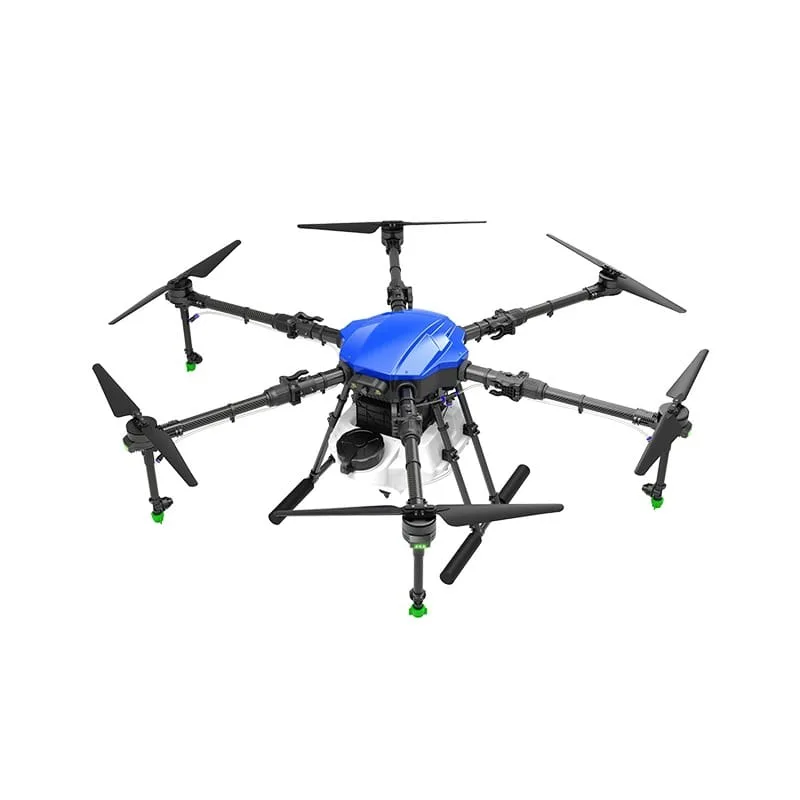
Drone spraying for orchards uses mapped, tree-by-tree or row routes to apply approved products to crops like mango, pomegranate, citrus, guava and litchi. It helps cover tall canopies and reduces labour, but results depend on tree size, spacing, canopy density and correct settings. A map of the orchard and a demo on a block are recommended before regular use.
Key takeaways
- Mapping the orchard first allows precise tree or row routes.
- Tall and dense canopies need slower speed and good downwash.
- Avoid bee-active hours during flowering.
- Use only products approved for drone use on that fruit crop.
Why drones can help in orchards
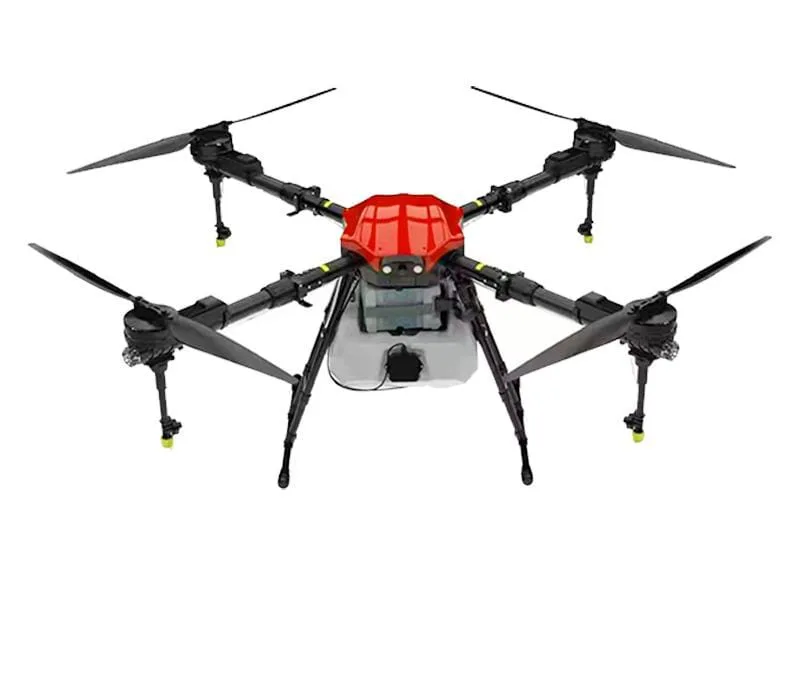
Manual and ladder spraying struggles with tall trees, and ground sprayers can damage roots and low branches when moving between rows. Drones reach the top of the canopy easily and can be programmed to spray only over trees, skipping gaps. This saves product, reduces drift into open spaces and keeps workers out of the spray.
Possible uses by crop
| Crop | Common targets |
|---|---|
| Mango | Mango hoppers, powdery mildew, anthracnose |
| Pomegranate | Bacterial blight management sprays, fruit borer, thrips |
| Citrus | Citrus psylla, leaf miner, fungal diseases |
| Guava | Fruit fly, sucking pests |
| Litchi and others | Pests and diseases as advised locally |
Special care in orchards
Planning by tree size
Young, small trees and old, large trees need different heights, speeds and spray volumes. Group blocks by tree size and adjust settings for each.
Canopy coverage
Dense canopies need slower flight and good downwash. Check coverage on inner and lower leaves with water-sensitive cards.
Flowering and pollinators
Many orchard sprays happen around flowering. Avoid bee-active hours, inform beekeepers and follow label restrictions.
Farmer preparation
Mapping first, spraying second
A high-resolution map lets the pilot locate each tree or row and design precise routes. With RTK positioning, the same route can be repeated for every spray. This tree-by-tree approach is one of the biggest advantages of drones over manual spraying in orchards.
Limits to keep in mind
Very tall, dense trees with heavy canopies may still need ground sprayers for full coverage of inner branches. Orchards under nets or with overhead structures are difficult for drones. Many growers use drones for upper canopy and quick protective sprays and ground equipment for thorough cover sprays.
Drone vs manual and air-blast spraying in orchards
| Point | Drone | Manual / ladder | Air-blast sprayer |
|---|---|---|---|
| Top canopy coverage | Good | Difficult | Good on suitable trees |
| Inner canopy coverage | Depends on settings | Variable | Good |
| Labour | Low | High | Medium |
| Ground access needed | No | Yes | Yes, between rows |
Seasonal orchard spray planning
Orchard sprays cluster around new flush, flowering and fruit development. Make a calendar with your horticulture advisor, mark which sprays suit a drone and book early for flowering-stage sprays, when timing is tight and demand is high. After each spray, check a few trees from different blocks for coverage and pest or disease response.
Who benefits most
Large mango and citrus orchards, pomegranate growers facing labour shortages and FPOs managing many member orchards gain the most. For a small orchard with a few trees, manual spraying may remain practical; group demos with neighbouring orchards can show whether drones suit your area.
Checking coverage in fruit trees
After the first drone spray in your orchard, check several trees in each block. Look at leaves at the top, middle and inside of the canopy, and on the side away from the drone's path. Water-sensitive cards clipped to branches give a clear picture. Share results with the pilot so settings can be fine-tuned for your trees.
Horticulture support and advice
For orchard crop protection schedules and support programmes, consult your state horticulture department or the National Horticulture Board (opens in a new window). Their guidance on products and timing should drive every drone spray in your orchard.
Frequently asked questions
Can drones spray tall mango trees?
Yes, drones can reach the top of tall trees. Coverage of the inner canopy depends on settings and tree density.
Is drone spraying good for pomegranate orchards?
It can help with timely sprays and reduced labour, using approved products and settings matched to tree size.
Do I need a map of my orchard for drone spraying?
It is strongly recommended. A map allows tree-by-tree or row routes, saving product and improving safety.
Can drones spray only over trees and skip gaps?
Yes, with a mapped orchard and proper route planning, drones can spray tree rows and skip open ground.
Can I spray during flowering?
Only if the label allows, and avoid hours when bees are active. Inform nearby beekeepers.
Will drones replace ground sprayers in orchards?
Not entirely. Many growers use both, choosing drones for some sprays and ground equipment for thorough cover sprays.
Can I get an orchard demo?
Yes, call 8282802150 to discuss a demo on a block of your orchard.
How much spray volume does a drone use per tree?
It depends on tree size, canopy density and the product. The pilot sets flow rate and speed per block; the label dose per area still applies.
Can drones spray orchards on slopes?
Yes, with terrain following and careful planning. Hilly orchards benefit because ground equipment is hard to move there.
About this guide
- Written by
- Kisan Drone team, Noida. We work with farmers, FPOs and drone operators on spraying, buying and training questions.
- Reviewed by
- Mohit Singh, Drone Operator — 10 years of drone-spraying experience
- Last updated
How we write
We do not publish invented prices, subsidy amounts, yields or reviews. Rules and schemes are checked against official sources, and anything that depends on your crop, product or location is marked as such. Found an error? Email enquiry@kisandrone.co.in.