Quick answer
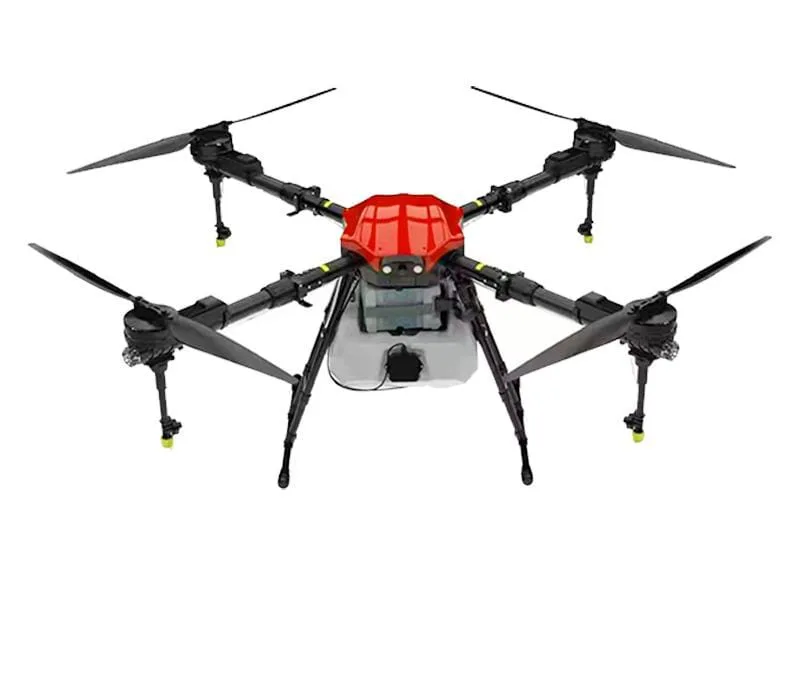
Drone spraying for wheat is used to apply approved fungicides against diseases such as rusts, insecticides against aphids and liquid nutrients during tillering and before heading. Its main advantage is speed over large fields when timing is critical. Watch for winter fog and heavy dew, follow label rules for herbicides, and spray in calm conditions.
Key takeaways
- Fast coverage helps when rust or aphids need urgent action.
- Nutrient top-ups at tillering and before heading are common.
- Fog and dew can delay early-morning spraying in winter.
- Only use herbicides approved for drone application, with drift care.
Why drones suit wheat
Wheat fields across the plains are large and uniform, which suits automatic drone flight. When yellow rust or aphids appear, a whole area may need spraying within days. Drones can cover many fields quickly, helping farmers act within the right window without waiting for labour or tractors.
There are no wheel tracks or trampled lines, which matters once the crop has grown tall and dense.
Possible uses by crop stage
| Stage | Common targets | Notes |
|---|---|---|
| Early growth | Weeds (approved herbicides only) | High drift risk to neighbouring crops |
| Tillering | Nutrient top-up, aphids | Good time for foliar nutrition |
| Jointing to booting | Rusts, powdery mildew | Act quickly when disease appears |
| Heading | Diseases, late aphids | Check pre-harvest intervals |
Special care in wheat
Herbicide spraying
Herbicide drift can damage neighbouring crops like mustard, vegetables or gram. Use only approved products, coarser droplets, low height and calm conditions — and leave buffers near sensitive crops.
Fog and dew
Winter mornings can bring fog and heavy dew. Fog reduces visibility for safe flight, and dew can dilute spray on leaves. Wait until visibility is clear and leaves are drier.
Lodging
Late in the season, wind and irrigation can cause lodging. Drones avoid adding more damage, but spray coverage may be uneven on flattened crops.
Farmer preparation checklist
- Scout the field and confirm the disease or pest
- Buy a drone-approved product and keep the label handy
- Arrange clean water and a take-off spot near the field
- Inform neighbours, especially those with sensitive crops
- Plan a weather backup day in case of fog or rain
Rust alerts and timely action
Yellow rust can spread quickly in cool, humid weather. Agriculture departments and research institutes often issue advisories when rust appears in a region. When you see an advisory or early symptoms — yellow, powdery stripes on leaves — contact your agronomist (opens in a new window) and book spraying quickly. A drone's speed helps entire villages respond together.
Group spraying for wheat villages
Because neighbouring wheat fields often need the same spray at the same time, group bookings work very well. One farmer can collect bookings from neighbours, share field locations and agree a single date. The drone moves field to field with minimal travel, and every farmer gets timely protection.
Drone vs tractor sprayer in wheat
| Point | Drone | Tractor-mounted sprayer |
|---|---|---|
| Wheel tracks in standing crop | None | Leaves tracks, some crop damage |
| Wet fields after irrigation | Can spray | May not be able to enter |
| Water volume per acre | Low | Higher |
| Speed on large fields | High | High on dry, open fields |
| Herbicide drift control | Needs care | Needs care |
Checking results after spraying
After a fungicide spray for rust, check new leaves over the next week or two — fresh growth should stay clean if the spray worked. For aphids, count colonies on a few tillers before and a few days after spraying. Note what you see; it helps you and your advisor decide whether another spray is needed and which product to use next time.
Frequently asked questions
Can drones spray fungicide for yellow rust in wheat?
Yes, drones can apply approved fungicides quickly over large areas, which helps when rust needs urgent control.
Is drone spraying of herbicide safe in wheat?
Only with herbicides approved for drone application, coarser droplets, low height, calm weather and buffers near sensitive crops.
Can nutrients be sprayed on wheat by drone?
Yes, liquid nutrients are commonly sprayed at tillering and before heading. Follow the product's dose and timing.
Does winter fog affect drone spraying?
Yes. Fog reduces visibility for safe flight. Wait until it clears before spraying.
Will heavy dew reduce spray effectiveness?
Heavy dew can dilute spray on leaves. Wait until leaves are drier, unless the product advice says otherwise.
How quickly can my wheat field be sprayed?
Drones are fast on open wheat fields, but total time depends on area, refills, batteries and weather.
What is the cost of drone spraying in wheat?
It depends on area, location and service terms. Call 8282802150 for a written quote.
How do I book wheat drone spraying?
Call or WhatsApp 8282802150 with your village, area, crop stage and the product.
Can drones spray wheat after irrigation when the field is wet?
Yes. Unlike tractors, drones do not need to enter the field, so wet soil after irrigation is not a problem for spraying.
Is drone spraying useful for small wheat farms?
Yes, especially when neighbouring farms book together on the same day, which keeps travel time and cost per acre low.
About this guide
- Written by
- Kisan Drone team, Noida. We work with farmers, FPOs and drone operators on spraying, buying and training questions.
- Reviewed by
- Mohit Singh, Drone Operator — 10 years of drone-spraying experience
- Last updated
How we write
We do not publish invented prices, subsidy amounts, yields or reviews. Rules and schemes are checked against official sources, and anything that depends on your crop, product or location is marked as such. Found an error? Email enquiry@kisandrone.co.in.