Kisan Drone: The Complete Guide to Agriculture Drones for Indian Farming
A kisan drone is an agriculture drone built for farm work — spraying pesticides and liquid fertilisers, monitoring crops and mapping fields. This guide brings together everything a farmer, FPO or agri-entrepreneur needs to know: how farming drones work, what they cost, the rules, government support and how to get started without wasting money.
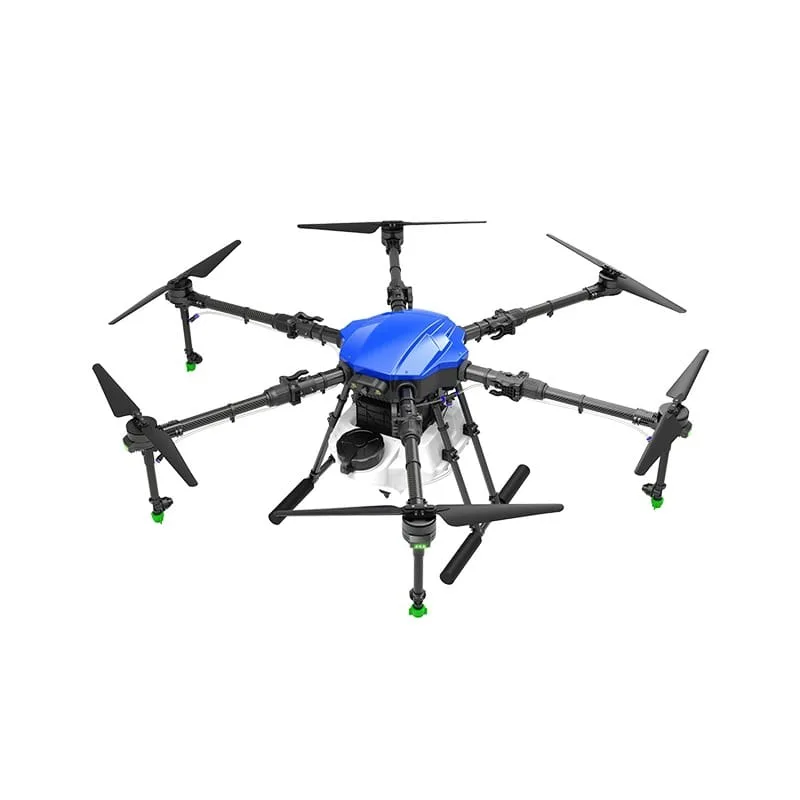
Quick answer
A kisan drone (agriculture drone) is a remotely piloted multi-rotor aircraft used mainly to spray approved pesticides and liquid nutrients, and to map and monitor crops. In India, it must be a DGCA type-certified, registered drone flown by a pilot with a Remote Pilot Certificate. Most farmers start by hiring a drone spraying service; FPOs and entrepreneurs often buy.
Key takeaways
- Kisan drone, agriculture drone and farming drone mean the same thing.
- Main uses: spraying, crop monitoring and field mapping.
- Legal use needs a certified, registered drone and a certified pilot.
- Hire a service first; buy only if you have enough acres to keep it busy.
Pages in this topic
What is a kisan drone?
“Kisan drone” is the popular Indian name for an agricultural drone — an unmanned aerial vehicle (UAV) designed for farming. The term became widely known after the government announced its promotion in the Union Budget 2022–23. Whether you call it a kisan drone, krishi drone, farming drone or agriculture drone, it refers to the same kind of machine.
Most kisan drones are multi-rotor aircraft with four, six or eight propellers. Spraying models carry a tank, pump and nozzles; mapping and monitoring models carry cameras and sensors.
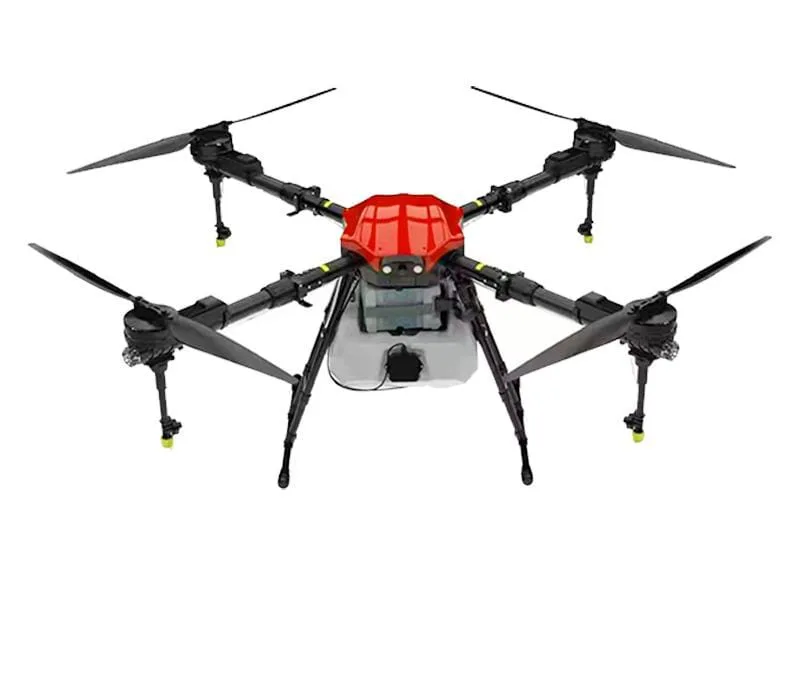
What does an agriculture drone do?
Spraying
The drone flies a GPS-planned route a few metres above the crop and sprays insecticides, fungicides and liquid nutrients that are approved for drone (opens in a new window) application. Rotor downwash pushes droplets into the canopy.
Crop monitoring
Camera drones — including multispectral models — show where the crop is stressed, so you can scout those patches and act early.
Mapping and survey
Mapping drones stitch hundreds of photos into an accurate field map for area measurement, route planning, drainage and levelling.
How a drone spraying job works
- The pilot surveys the field for boundaries, obstacles and a take-off point
- The field is mapped in the app and height, speed and spray rate are set
- The approved product is mixed as per the label, with PPE
- The drone sprays in rows, returning for refills and battery swaps
- The sprayed area and details are recorded
Who is a drone for farming right for?
| You are… | Best starting point |
|---|---|
| A small or medium farmer | Hire a drone spraying service |
| A large farm with short spray windows | Rent a drone with operator, or hire a service |
| An FPO, cooperative or CHC | Rent for a season, then consider buying |
| A rural entrepreneur or agri-graduate | Get pilot training, then start a service |
Rules every farmer should know
- Drones must be of a DGCA type-certified model and registered on Digital Sky
- Pilots need a Remote Pilot Certificate from a DGCA-authorised RPTO
- Check the Digital Sky airspace map — green, yellow or red zone
- Only spray products approved for drone application, following the SOP
How much does a kisan drone cost?
The price depends on tank class, battery sets, certification, features, warranty and service support, so we do not publish a single figure. Beyond the purchase price, budget for batteries, spare parts, insurance, a pilot and transport. See our agriculture drone price guide for a full breakdown, or call for a written quote.
How to get started
- Decide your crop, area and the job — spraying, monitoring or mapping
- Try a drone spraying service on one field and judge the results
- Compare the per-acre cost of a service against buying a drone
- Learn about drone rules, pilot certificates and schemes
- Call or WhatsApp us for a price, a demo or a spraying booking
Benefits and limits at a glance
Drones save time on large or hard-to-walk fields, use far less water per acre, reduce chemical exposure and help farmers act quickly during pest outbreaks. They are less useful on tiny plots surrounded by trees and wires, in strong wind, or with products not approved for drone use. Knowing both sides helps you use drones where they truly pay off.
Frequently asked questions
What is the difference between a kisan drone and an agriculture drone?
There is no real difference. In India, drones used in farming are commonly called kisan drones. Farming drone, drone for farming and drone for agriculture are all names for the same type of drone.
Can farmers fly a kisan drone on their own?
Only with a Remote Pilot Certificate from a DGCA-authorised training organisation and a registered drone. Farmers who hire a service do not need any certificate.
How much does a kisan drone cost?
The price depends on tank capacity, batteries, certification, accessories, warranty and service, so we do not publish a fixed price. Call or WhatsApp us for a written quote.
What jobs can a kisan drone do?
Mainly spraying approved insecticides, fungicides and liquid nutrients, crop monitoring and field mapping or surveys.
Which crops can a kisan drone spray?
Paddy, wheat, cotton, sugarcane, vegetables, grapes, orchards and many more — always with products approved for drone use on that crop.
Is there a government subsidy on kisan drones?
Schemes have supported drone purchases for specific groups such as FPOs, CHCs, institutions and women's SHGs. Check current eligibility with official sources.
Is drone spraying safe?
It reduces the operator's direct exposure. Safety still depends on approved products, PPE while mixing, buffer zones and calm weather.
How do I get started with a kisan drone?
The easiest way is to book a drone spraying service first. Call +91 82828 02150 for information.
Do drones reduce the amount of pesticide used?
The label dose per acre still applies. What drops sharply is the water volume, and even coverage can reduce waste from overlaps and missed strips.
About this guide
- Written by
- Kisan Drone team, Noida. We work with farmers, FPOs and drone operators on spraying, buying and training questions.
- Reviewed by
- Mohit Singh, Drone Operator — 10 years of drone-spraying experience
- Last updated
How we write
We do not publish invented prices, subsidy amounts, yields or reviews. Rules and schemes are checked against official sources, and anything that depends on your crop, product or location is marked as such. Found an error? Email enquiry@kisandrone.co.in.
Sources we rely on
Talk to us today about prices, demos or services
Tell us your crop, area and location. We will explain drone spraying, demo and purchase options.