Quick answer
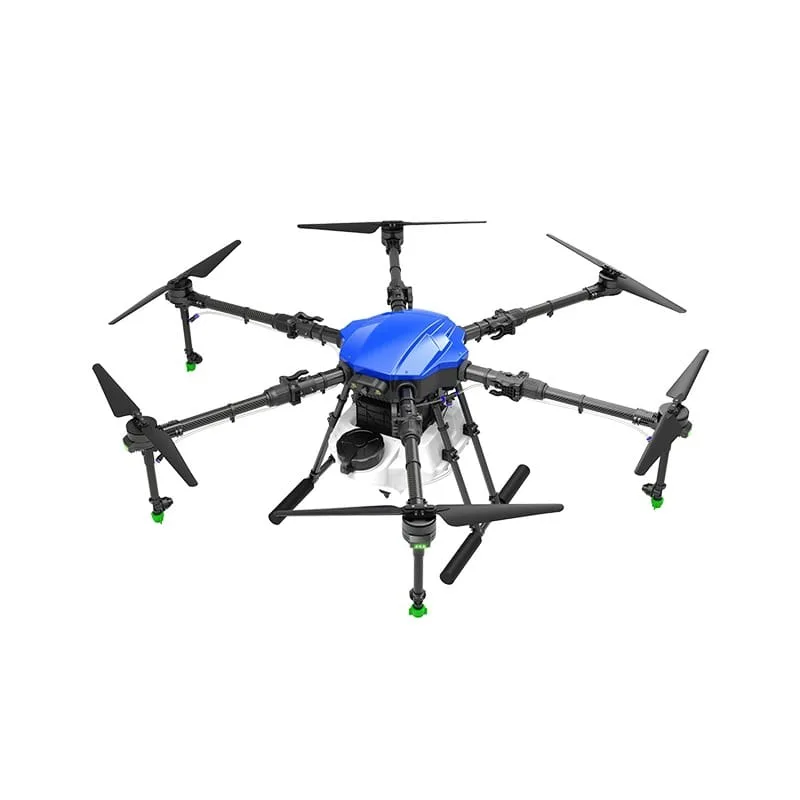
Drone spraying for cotton helps apply approved insecticides and fungicides against sucking pests like whitefly, jassids, aphids and thrips, and bollworms such as pink bollworm, without walking through a tall, dense crop. Good canopy penetration needs correct height, slower speed, suitable droplet size and proper overlap. Follow the label, PPE rules and resistance management advice.
Key takeaways
- Big labour saving in tall cotton with repeated sprays.
- Canopy penetration is the key challenge — settings matter.
- Follow resistance management: rotate product groups as advised.
- Repeated sprays mean exposure risk is higher — PPE for mixing is essential.
Why drones suit cotton
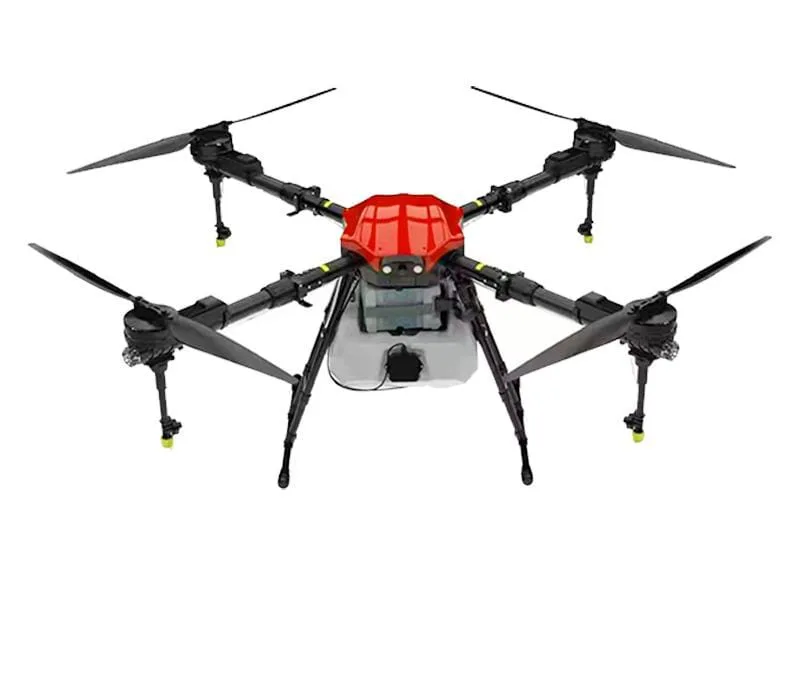
Cotton may need several sprays in a season for sucking pests, bollworms and diseases. As plants grow taller, manual spraying exposes workers to chemicals for hours in hot conditions. A drone keeps the operator outside the field and completes each spray quickly, so repeated applications become easier to manage.
Possible uses by crop stage
| Stage | Common targets | Notes |
|---|---|---|
| Early vegetative | Sucking pests: aphids, jassids, thrips | Smaller canopy, easier coverage |
| Squaring and flowering | Whitefly, bollworms | Avoid bee-active hours where relevant |
| Boll development | Pink bollworm, diseases | Dense canopy — focus on penetration |
| Late season | Late pests | Check pre-harvest intervals |
Special care in cotton
Canopy penetration
Whiteflies feed on the underside of leaves and bollworms hide inside bolls. Ask the pilot to adjust height, speed and droplet size so the downwash pushes spray into the canopy. Water-sensitive cards at different heights help check coverage.
Resistance management
Repeated use of the same insecticide group can lead to resistance. Follow your agronomist's or KVK (opens in a new window)'s advice on rotating product groups.
Service terms for repeat sprays
Cotton often needs multiple visits per season. [Write your policy.] Ask about scheduling repeat sprays.
Farmer preparation checklist
- Scout regularly and act at economic threshold levels advised by experts
- Buy drone-approved products and keep labels
- Arrange water and a take-off spot
- Mark power lines and trees near the field
- Inform neighbours, especially if beehives are nearby
- Keep records of every spray for the season
Integrated pest management with drones
Drones are an application tool, not a pest management strategy on their own. Combine them with good practices: pheromone traps for monitoring bollworms, timely sowing, removing crop residues and using sprays only when pest levels justify them. A drone then helps you act quickly and evenly when a spray is needed.
Booking cotton spraying
Share your village, area, crop stage, the target pest and the recommended product. For cotton belts where many farmers spray at similar times, group bookings are efficient and help ensure timely protection across neighbouring fields.
Drone vs manual spraying in cotton
| Point | Drone | Knapsack / manual |
|---|---|---|
| Effort in tall crop | Low | Very high |
| Operator exposure | Lower | High, often for hours |
| Coverage under leaves | Needs correct settings | Possible but slow |
| Time per spray | Short | Long |
Monitoring before and after sprays
Use yellow sticky traps for whitefly and pheromone traps for pink bollworm to monitor pest levels. Spray when advisors recommend based on thresholds, then keep monitoring to judge results. Opening a sample of green bolls helps you check bollworm damage. Good monitoring reduces unnecessary sprays and saves money.
Bee safety in cotton
Cotton flowers attract bees and other pollinators. During flowering, choose products and timings that reduce harm to bees, spray early morning or late evening when bees are less active, and inform nearby beekeepers in advance. Protecting pollinators supports both your crop and your neighbours' crops.
Keeping a cotton spray diary
Write down each spray: date, product, dose, target pest, weather and what you observed afterwards. Over a season, this diary shows which products worked, helps you rotate groups for resistance management and gives your advisor clear information for the next decision.
Frequently asked questions
Can drones control pink bollworm in cotton?
Drones can apply approved products advised for pink bollworm. Results depend on timing, product and coverage, along with integrated pest management practices.
Is drone spraying effective against whitefly?
With good canopy penetration — right height, speed and droplet size — drones can help. Whiteflies sit under leaves, so settings are important.
How many times can cotton be sprayed by drone?
As many times as the crop protection plan requires. The drone is the application method; spray frequency depends on pest pressure.
Can drones reach the lower canopy of tall cotton?
The rotor downwash helps push spray down. Slower speed, correct height and proper overlap improve penetration.
Is drone spraying safer for cotton farmers?
Yes, it reduces direct exposure because nobody walks through the sprayed crop. PPE is still essential while mixing and filling.
Should I rotate insecticides in cotton?
Yes. Rotating product groups as advised by experts helps slow down resistance.
What is the cost of drone spraying in cotton?
It depends on area, number of sprays and service terms. Call 8282802150 for a quote.
How do I book cotton drone spraying?
Call or WhatsApp 8282802150 with your village, area, crop stage and target pest.
Can drones spray cotton defoliants or growth regulators?
Only products approved for drone application on cotton should be used. Check the label and ask your agronomist before using any growth regulator by drone.
About this guide
- Written by
- Kisan Drone team, Noida. We work with farmers, FPOs and drone operators on spraying, buying and training questions.
- Reviewed by
- Mohit Singh, Drone Operator — 10 years of drone-spraying experience
- Last updated
How we write
We do not publish invented prices, subsidy amounts, yields or reviews. Rules and schemes are checked against official sources, and anything that depends on your crop, product or location is marked as such. Found an error? Email enquiry@kisandrone.co.in.